

However, sometimes, the symptoms may be subtle enough to avoid detection for quite a long period of time. Restlessness, irritability, distractibility, fatigue, and insomnia – they are all common indicators. Unfortunately, they might become more severe over time making it hard for one to concentrate or to maintain a sense of balance and control over situations.
Fortunately, anxiety and stress can be easily controlled with minimal effort. There is no need for complex solutions or lengthy therapy. Regular practice is all that one needs to start living a more relaxed and joyful life.
Understanding Daily Anxiety and Stress
While anxiety is commonly associated with fear of the future, stress is a natural response to the situation in the present.
Overthinking and worry make it almost impossible to relax and get a rest. As a result, one feels physically and emotionally exhausted. Recognizing what exactly you are going through is one of the key steps towards its management.
How to Calm Your Mind Down ?
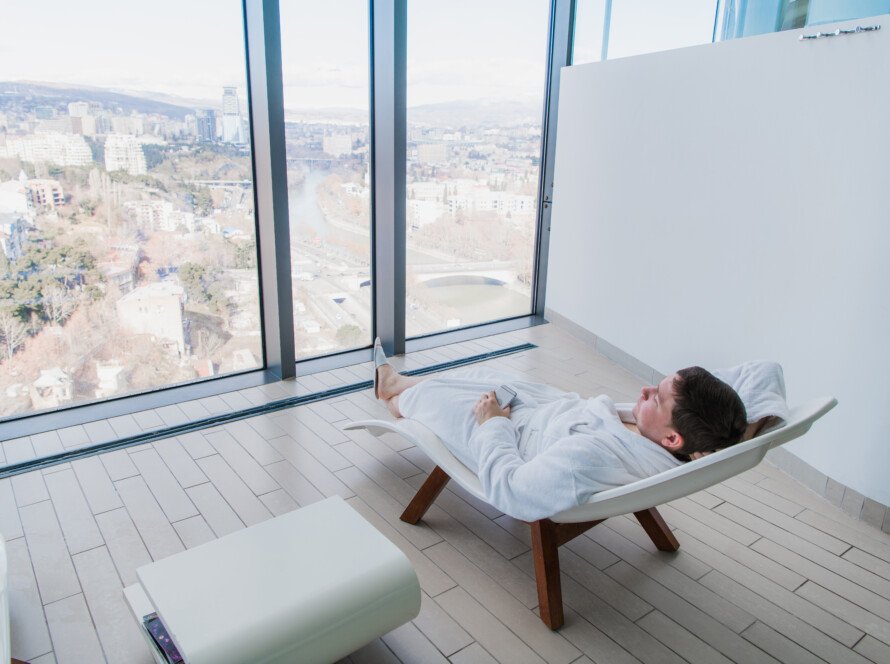
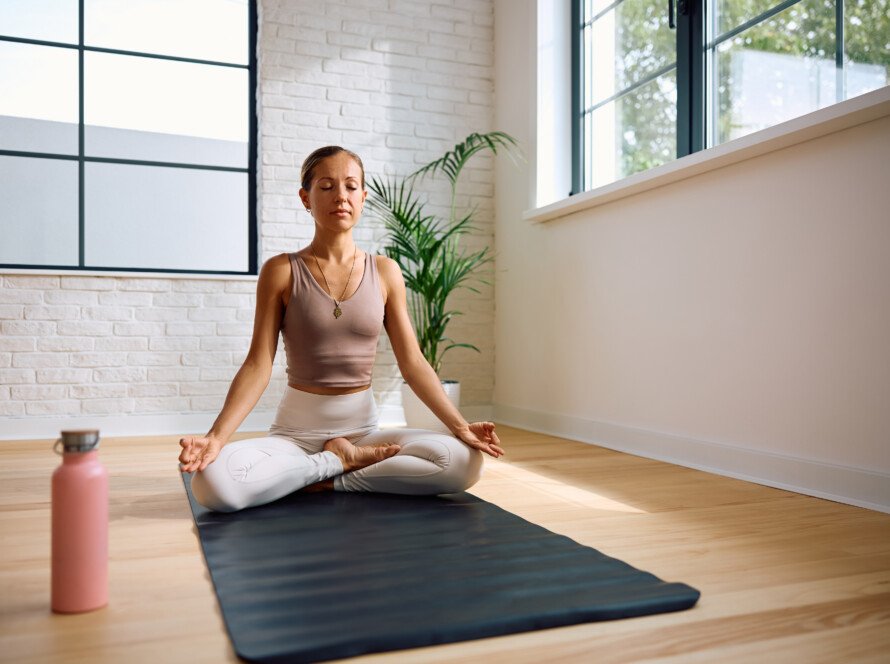
One of the most effective techniques for relaxation is breathing deeply. Deep breaths help reduce anxiety levels, allowing the muscles to unclench. Another way to give your brain a much-needed rest is to simply take a seat and spend some time quietly.
Focusing on the sounds around you can help center your attention. That, in its turn, makes the brain work less actively, which contributes to better overall relaxation. Mild physical exercises such as stretching help relieve stress from the muscles, making one feel relaxed.
Creating a Daily Calming Routine
Having regular routines in place will facilitate managing anxiety much easier. Starting your morning routine with a relaxation activity creates a positive mindset. It is advisable to take short breaks throughout the day in order to restore yourself.
Preparing a calm and quiet atmosphere in the evening helps ease into sleep and wake up fresh the next morning. Practice is essential to keep your mind calmer.
How to Manage Thoughts and Emotions
Most of the times, your emotional state depends on your inner world. Worry and negativity amplify the levels of anxiety and stress. Observing your thoughts is an excellent technique that helps to stay emotionally stable.
Journaling is also a great way to reflect on the problems and let off steam.
“Calm habits create a peaceful mind.”
Conclusion
Managing anxiety and stress does not necessarily require taking significant measures. It is sufficient to practice simple activities on a daily basis. Learning to breathe, having a calming routine and controlling your thoughts and emotions – all of this allows living a more tranquil life. Be persistent and patient. Consistency always bears fruit.