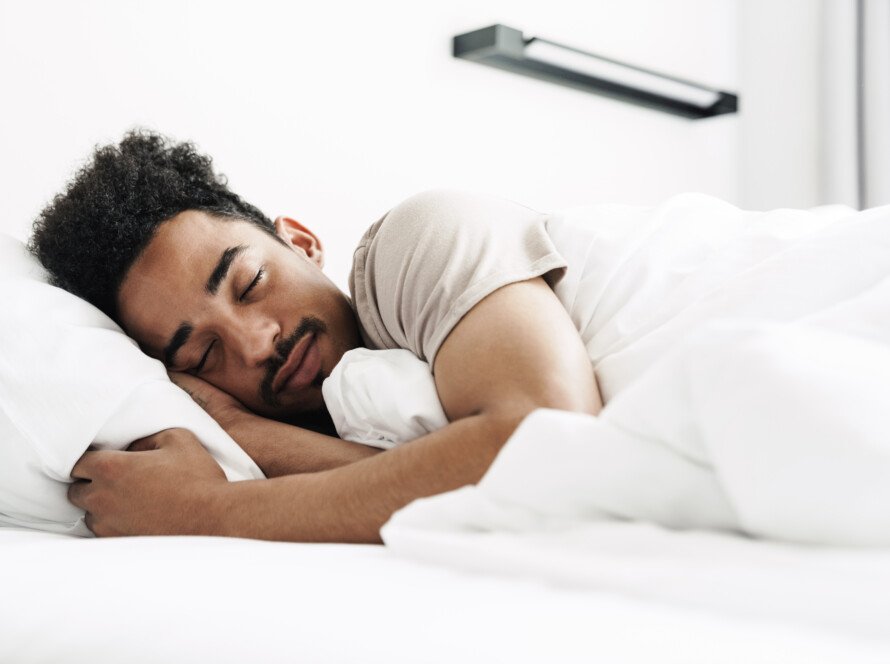


Everyone needs to be healthy, which starts from having a good night’s sleep. However, people struggle to get high-quality sleep because of stress, anxiety, and sleep habits. It is possible to make your sleep better by including several tips in your everyday life. This article will cover the importance of sleep hygiene and some sleep tips.
Establishing a Sleep Schedule
Sleep hygiene plays a significant role in your sleeping pattern. Usually, an adult person requires 7-9 hours of nighttime sleep daily. Going to bed and waking up at the same times helps the organism to stabilize sleep-wake cycle regulation. The sleep schedule should remain even during the weekends.
Bedtime Routine
Bedtime routine may consist of relaxing activities like reading books, taking a shower or baths, or stretching. It is recommended not to use screens like phones, tablets, or computers since their blue light can affect negatively your sleep quality. Therefore, try to relax and prepare yourself for sleep.
Optimizing the Sleeping Environment
The sleeping environment may significantly influence your sleep quality. Dark, quiet, and cool environment can help a person to fall asleep faster and sleep better throughout the night. Blackout curtains or shades can block light. It is also recommended to use white noise machines or wear earplugs to filter background sounds. The optimal sleeping temperature is around 60-67 degrees Fahrenheit.
Buying a Good Mattress
One’s sleeping quality depends on their mattress. A suitable mattress may provide comfort and necessary support, which may contribute to improved sleep. A medium-firm mattress is usually the most appropriate choice for spinal alignment and prevention of back pain.
Managing Stress and Anxiety
Stress and anxiety can disrupt your sleeping pattern. To cope with anxiety and stress, you may practice meditation, yoga, or breathing. Moreover, it is recommended to write down all concerns and thoughts that may bother you during sleeping time. All of the concerns should be discussed before going to sleep.
Relaxation Methods
Progressive muscle relaxation, visualization, and mindfulness are the most effective ways to relax your mind and prepare yourself for a peaceful sleep. Such activities are recommended to be performed daily before sleep. The most efficient way to deal with stress and anxiety is to practice these methods 30 minutes to one hour before sleeping.
Not Looking at Any Screens Before Sleep
Watching TV or browsing on your phone can be harmful to sleep. These actions lower levels of the hormone melatonin, which contributes to poor sleep. Therefore, it is recommended to stop using screens at least one hour before sleep. Blue light filtering glasses or applications can help you decrease the negative effects of screens.
Using Technology
Although watching screens negatively affects sleep, there are technologies that can help with sleeping problems. A sleep tracking device or application can assist in finding weaknesses in your sleeping pattern and improving them. Using a smart alarm can be helpful since it can wake you up during a period when your brain is in the lightest sleep.
Eating Sleep-Friendly Food
It is important to follow specific rules regarding your food and drinks to have a good night’s sleep. Heavy dinners, especially those with lots of fats, can cause discomfort in the stomach while sleeping. Moreover, caffeine-containing foods and drinks can increase the level of stress and worsen sleeping quality. Therefore, you can eat something light and even a cup of tea or hot milk before going to bed.
Eating Non-Stimulating Food
To get better sleep, it is recommended not to consume stimulating foods and drinks. For example, chocolate, energy drinks, and coffee can make your nervous system excited. Hence, it is advisable to opt for fish and turkey, which are known for their ability to induce a state of calm.
Consuming Adequate Amount of Fluids
Fluid consumption may influence the sleeping pattern. In general, everyone should consume around 8-10 glasses of water per day. Nevertheless, stimulants like caffeine can dehydrate your body.
Avoid Consuming Fluids Before Sleep
It is advisable not to drink anything before sleeping since it causes frequent urination at night. Therefore, you should finish drinking at least two-three hours before bed.
Having Regular Physical Activities
Physical activities can help you sleep better, reduce stress, and decrease anxiety levels. Daily exercising can help you spend energy and become tired enough. The recommended duration is at least 30 minutes, preferably morning or early afternoon workouts.
No Exercises before Bed
It is not recommended to exercise late in the evening, since you may feel too awake after it and find it difficult to sleep.
Considering Visiting Healthcare Professionals
When dealing with sleep disturbances or disorders, it is wise to visit a healthcare professional for further assistance. They can diagnose sleeping disorders and give some recommendations concerning your sleep hygiene.
Ignoring Sleeping Disorders
Many people underestimate the importance of sleep and do not take care of sleep problems. Such issues as insomnia, sleep apnea, and restless leg syndrome can negatively affect one’s health. With some sleep tips, it is easy to solve these problems and become well-rested in the morning.
Conclusion
Sleep hygiene is very important for health and proper functioning of the body. Following simple sleep tips and establishing good sleep hygiene may significantly improve your sleep quality and make you feel fresh in the morning.