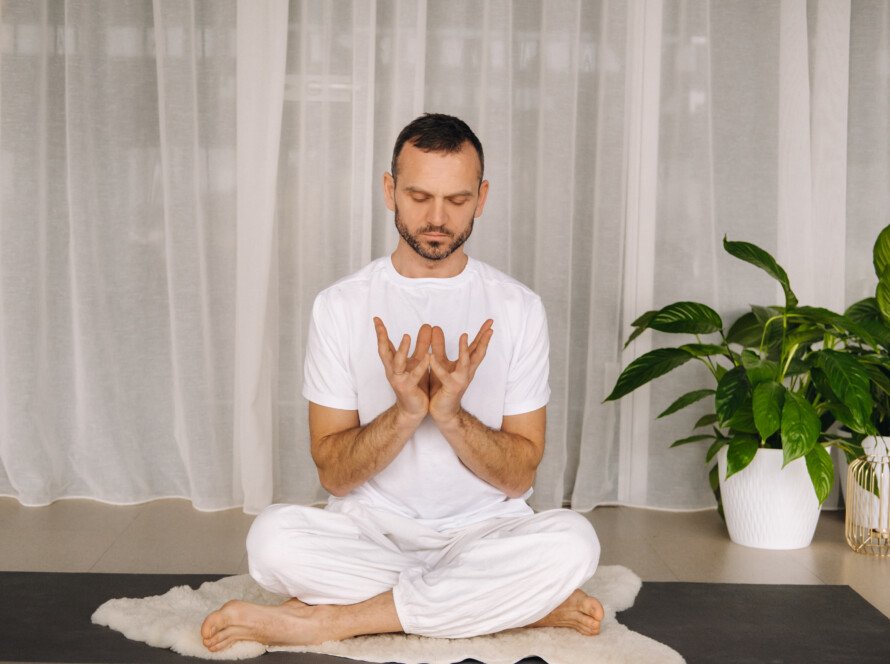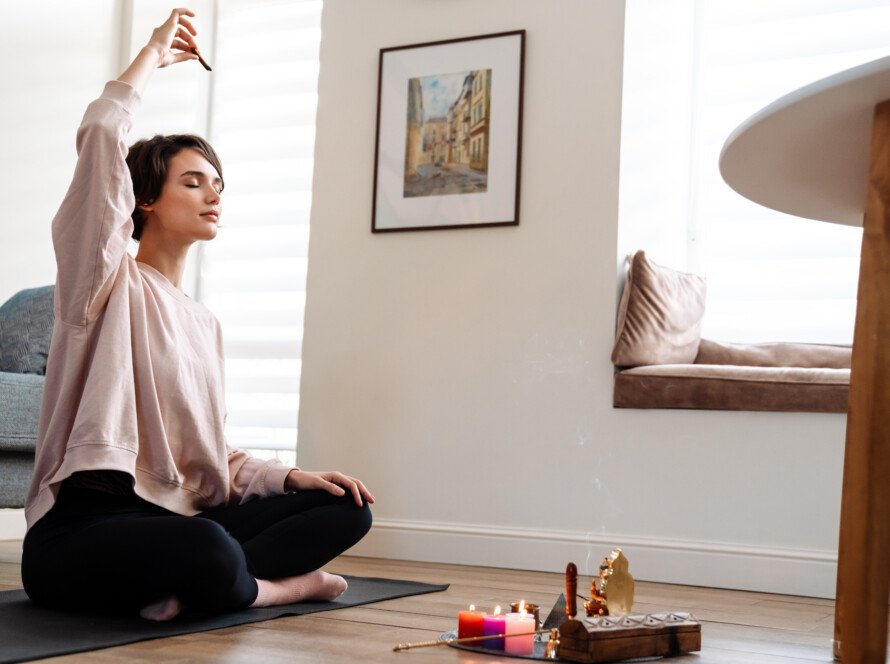

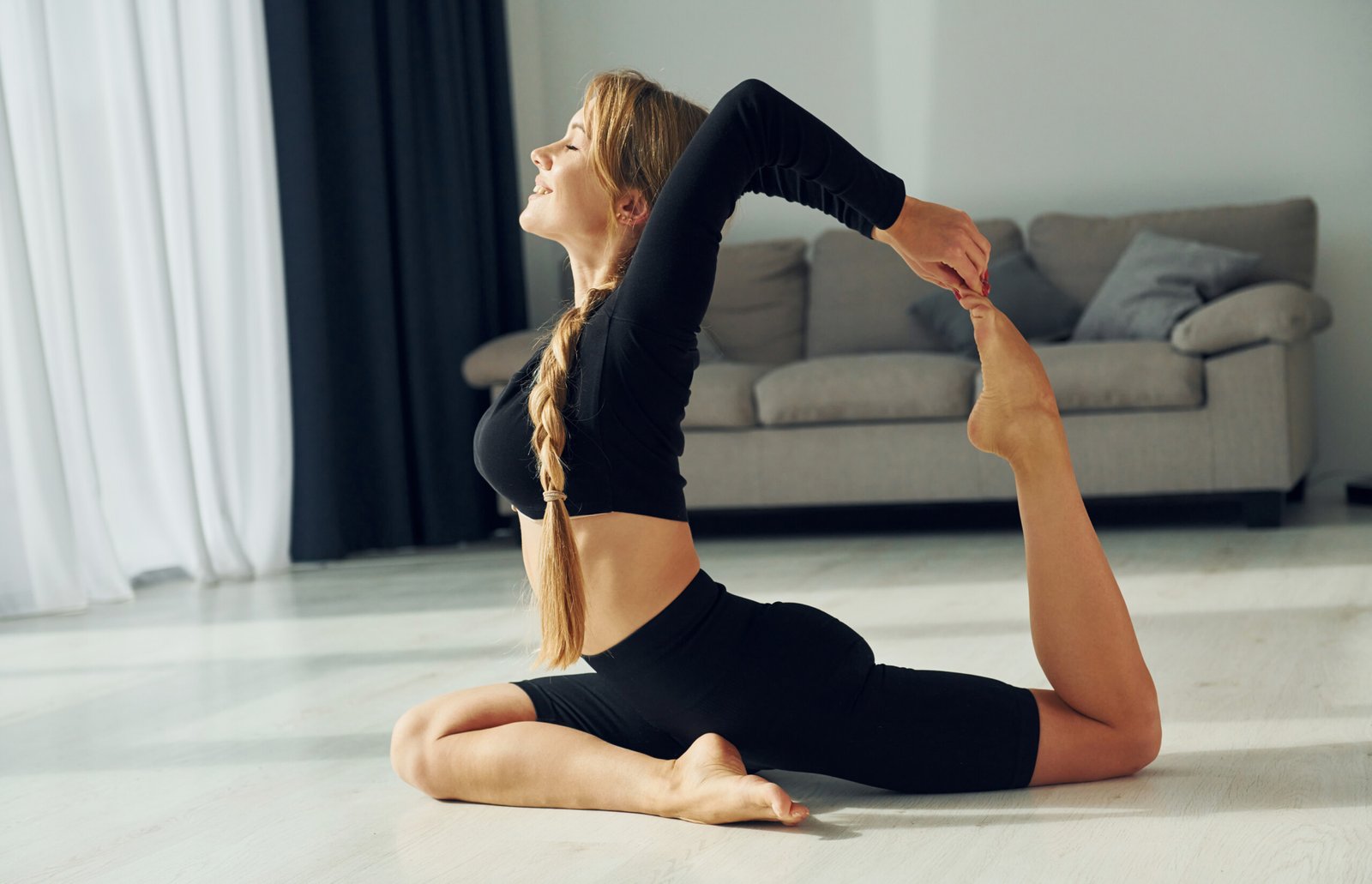
In today’s fast-paced world, it’s easy to get caught up in our daily routines and forget to take care of ourselves. With the stresses of work, family, and social obligations, finding time to relax and unwind can be a challenge. This is where yoga comes in – a practice that not only improves flexibility and balance but also brings peace and tranquility to the mind and body. Whether you’re a seasoned yogi or a complete beginner, this beginner yoga guide will take you through the basics of yoga and provide you with the tools you need to start your journey towards flexibility and inner peace.
Benefits of Yoga for Beginners
Yoga is a holistic practice that combines physical postures, breathing techniques, and meditation to promote overall well-being. As a beginner, you may be wondering what benefits yoga can bring to your life. Here are just a few:
- Improves flexibility – Yoga helps increase flexibility by stretching and lengthening the muscles, tendons, and ligaments. This can improve range of motion and reduce the risk of injury.
- Reduces stress and anxiety – Yoga has been shown to reduce stress and anxiety by promoting relaxation and calming the mind.
- Improves balance and coordination – Yoga helps improve balance and coordination by challenging the body to maintain different positions and movements.
- Boosts mood – Yoga releases endorphins, also known as “feel-good” hormones, which can improve mood and reduce symptoms of depression.
Setting Up Your Yoga Practice
Before you start your yoga journey, it’s essential to set up your practice correctly. Here are a few tips to get you started:
- Invest in a good yoga mat – A good yoga mat can provide grip, support, and comfort during your practice.
- Find a quiet and peaceful space – A quiet and peaceful space can help you focus and relax during your practice.
- Invest in a yoga block or strap – A yoga block or strap can help you modify poses and achieve a deeper stretch.
- Start with gentle poses – As a beginner, it’s essential to start with gentle poses and gradually build up to more challenging ones.
Understanding the Basics of Yoga
Before you start practicing yoga, it’s essential to understand the basics of yoga. Here are a few key concepts to get you started:
- Asanas: Asanas are the physical postures of yoga. There are many different types of asanas, including standing, seated, and reclined poses.
- Pranayama: Pranayama is the practice of breathing techniques in yoga. These techniques can help calm the mind and promote relaxation.
- Drishti: Drishti is the practice of gazing or focusing the eyes during yoga. This can help improve concentration and focus.
- Bandha: Bandha is the practice of energy locks in yoga. These can help improve energy flow and promote relaxation.
Common Yoga Poses for Beginners
As a beginner, it’s essential to start with common yoga poses that are gentle and easy to modify. Here are a few poses to get you started:
- Mountain Pose (Tadasana): Mountain Pose is a foundational standing pose that can help improve balance and posture.
- Tree Pose (Vrksasana): Tree Pose is a balancing pose that can help improve balance and focus.
- Downward-Facing Dog (Adho Mukha Svanasana): Downward-Facing Dog is a stretching pose that can help improve flexibility and stretch the hamstrings.
- Child’s Pose (Balasana): Child’s Pose is a resting pose that can help promote relaxation and reduce stress.
Breathing Techniques in Yoga
Breathing techniques, also known as pranayama, are an essential part of yoga. Here are a few breathing techniques to get you started:
- Diaphragmatic Breathing: Diaphragmatic breathing involves breathing into the diaphragm, rather than the chest. This can help calm the mind and promote relaxation.
- Alternate Nostril Breathing – Alternate Nostril Breathing involves closing one nostril and breathing through the other. This can help balance the breath and promote relaxation.
- 4-7-8 Breathing – 4-7-8 Breathing involves breathing in for a count of four, holding the breath for a count of seven, and breathing out for a count of eight. This can help calm the mind and promote relaxation.
Tips for Creating a Home Yoga Practice
Creating a home yoga practice can be a great way to stay consistent and enjoy yoga in the comfort of your own home. Here are a few tips to get you started:
- Create a dedicated space – Create a dedicated space for your yoga practice that is quiet, peaceful, and free from distractions.
- Invest in a good yoga mat – A good yoga mat can provide grip, support, and comfort during your practice.
- Start with short practices – Start with short practices, such as 10-15 minutes, and gradually build up to longer practices.
- Make it a habit – Make yoga a regular part of your routine, such as practicing every morning or evening.
Conclusion
Yoga is a holistic practice that combines physical postures, breathing techniques, and meditation to promote overall well-being. As a beginner, it’s essential to start with gentle poses, breathing techniques, and meditation to promote relaxation and reduce stress. By following this beginner yoga guide, you can start your journey towards flexibility and inner peace.