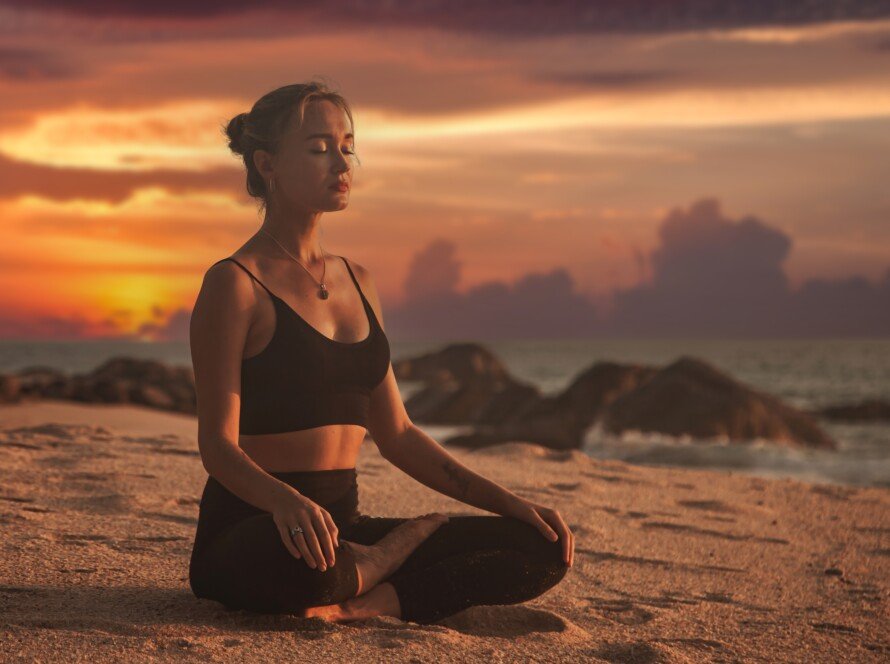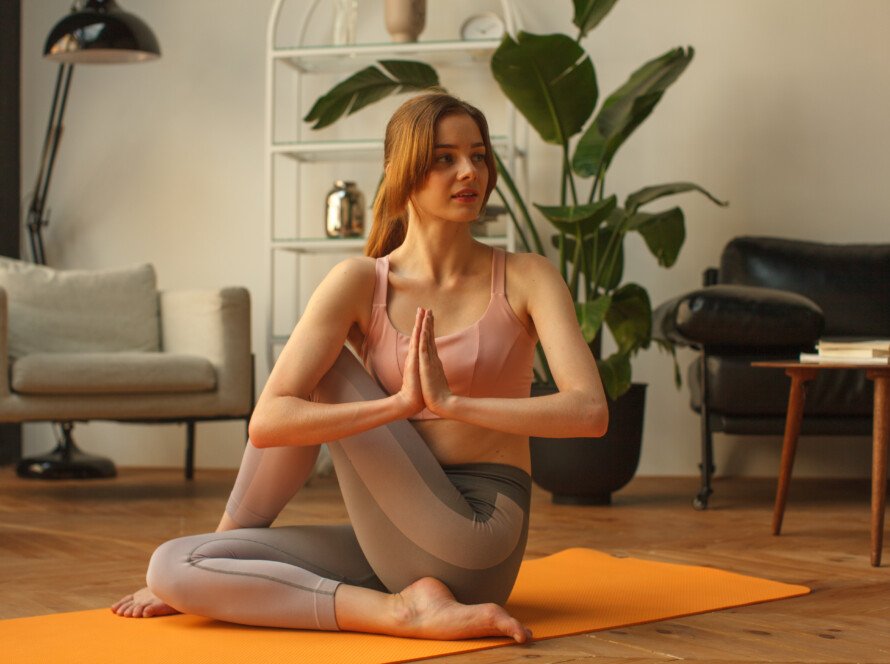

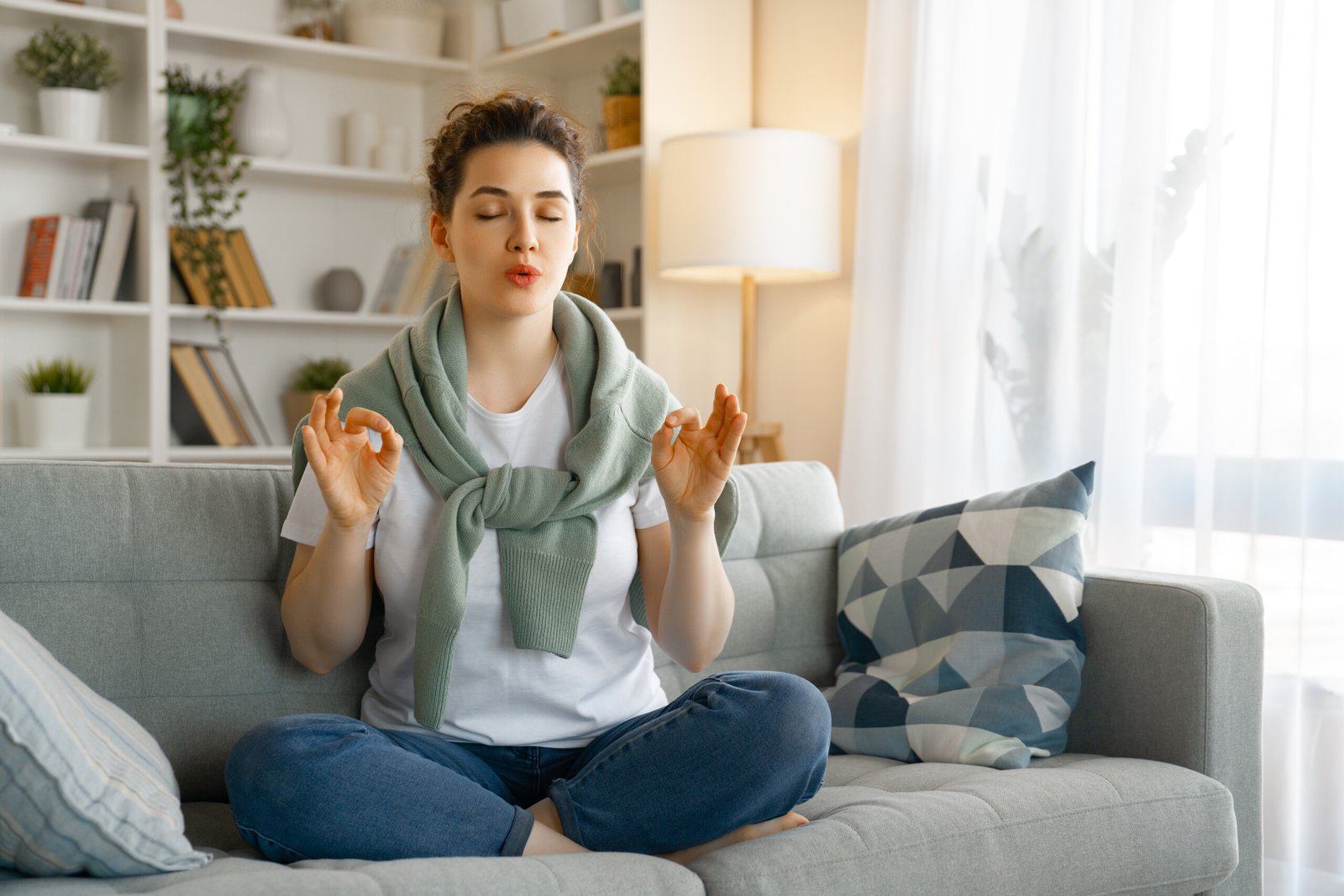
In today’s world, people face constant pressure and stress. It could be caused by the need to work, socialize, or perform certain activities. However, you have the opportunity to overcome such problems by resorting to mindfulness meditation. It will allow you to relax, relieve stress, and improve your well-being.
How Does Mindfulness Meditation Help Reduce Stress ?
It is known that mindfulness meditation positively affects the hormonal balance of the body. Regular training can increase the level of hormones responsible for happiness and satisfaction, such as serotonin and dopamine. At the same time, the content of hormones related to stress, such as cortisol, decreases.
According to research, mindfulness meditation can reduce stress levels by up to 30%. It might be explained by the fact that during meditation, the mind gets calm, and its excessive activity is stopped. As a result, a person feels free from the burden of everyday life and can cope with challenges more confidently.
Which Techniques Are Recommended to Try ?
There are many types of mindfulness meditation that differ significantly in their effectiveness and benefits. However, not all techniques suit everyone. Therefore, try them all to see which one will be most suitable for you.
Firstly, you should pay attention to body scan meditation. To practice this technique, you must lie down or sit still and pay attention to your feet. Moving upwards to the head, observe how your body feels.
Another type of mindfulness meditation that deserves attention is loving-kindness meditation. During the exercise, a person concentrates his thoughts on kind and compassionate phrases. In particular, he repeats them not only for himself but also for his friends, relatives, and strangers.
Creating a Mindfulness Meditation Practice
If you want to benefit from mindfulness meditation, you need to develop a certain technique and stick to it consistently. You need to allocate several minutes every day for meditation. Start with simple breathing exercises, observing how the air flows through your lungs.
Also, mindfulness meditation does not necessarily imply that a person is silent and still. While performing some actions, you can try to concentrate on your breath, body sensations, and sounds around you.
Mindfulness Meditation for Specific Stressors
Mindfulness meditation is a universal approach that can be used to cope with any stress. However, it is particularly effective in combating post-traumatic stress disorder. According to studies, this type of meditation reduces the severity of symptoms in PTSD patients.
For example, after meditation, there is an improvement in the regulation of the autonomic nervous system. At the same time, the symptoms of hyperarousal and hypervigilance are significantly reduced. As a result, a person’s well-being improves.
How to Overcome Barriers to Practice ?
Despite the numerous advantages of mindfulness meditation, it is not always easy to maintain regular training. Firstly, it can be difficult to get rid of distracting thoughts or concentrate on breathing exercises. Also, it may be difficult to spend several minutes alone, being immersed in your thoughts and experiences.
Nevertheless, you should try to solve such problems because they prevent mindfulness meditation. For example, if it is difficult to concentrate on meditation, start with simple breathing exercises. It is also essential to allocate at least five minutes a day for mindfulness practice.
Conclusion
It should be noted that mindfulness meditation allows you to cope with stress and anxiety in an effective way. It will also improve your health and help you live more confidently and happily. To practice mindfulness meditation regularly, you can try some of the approaches mentioned above.