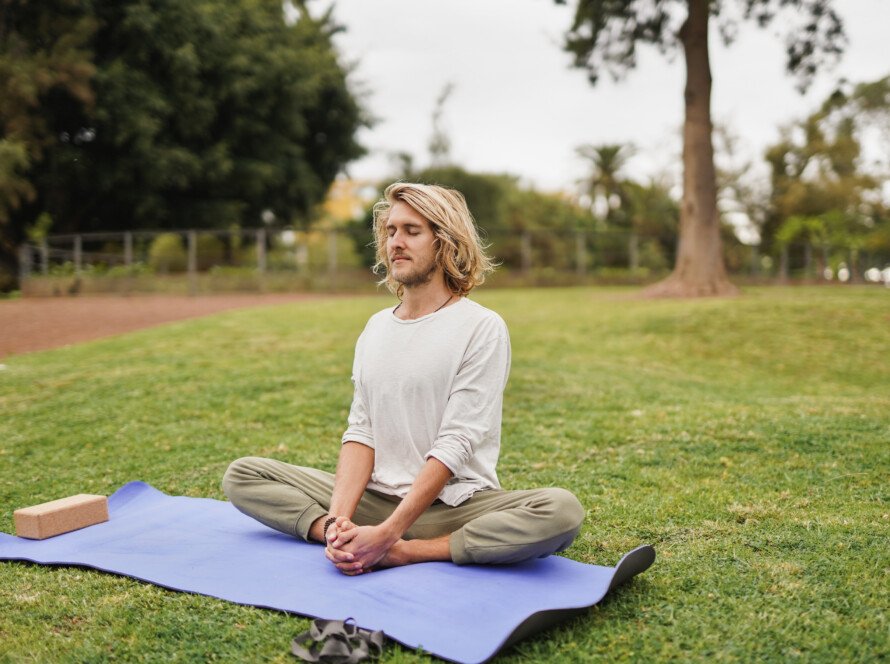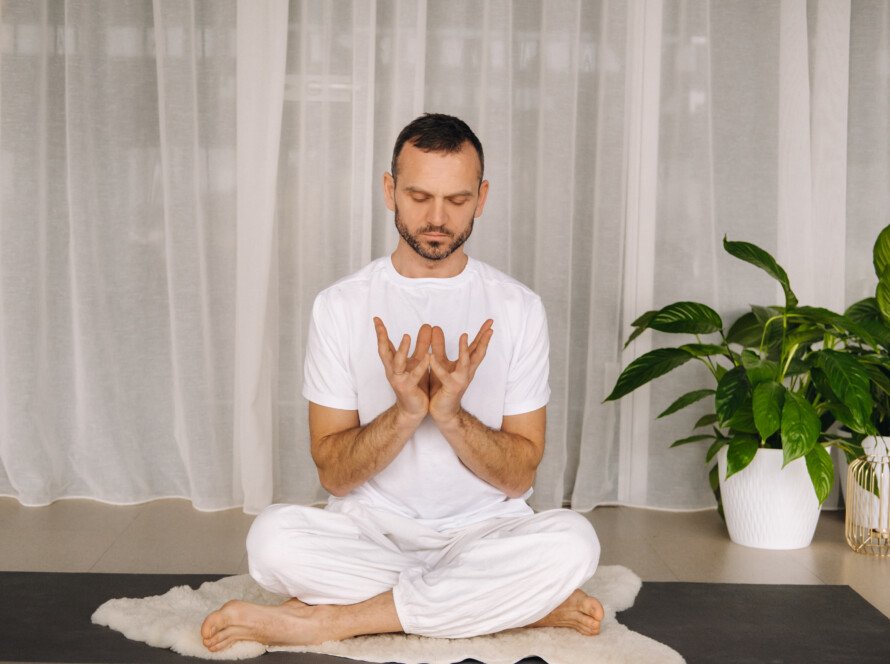

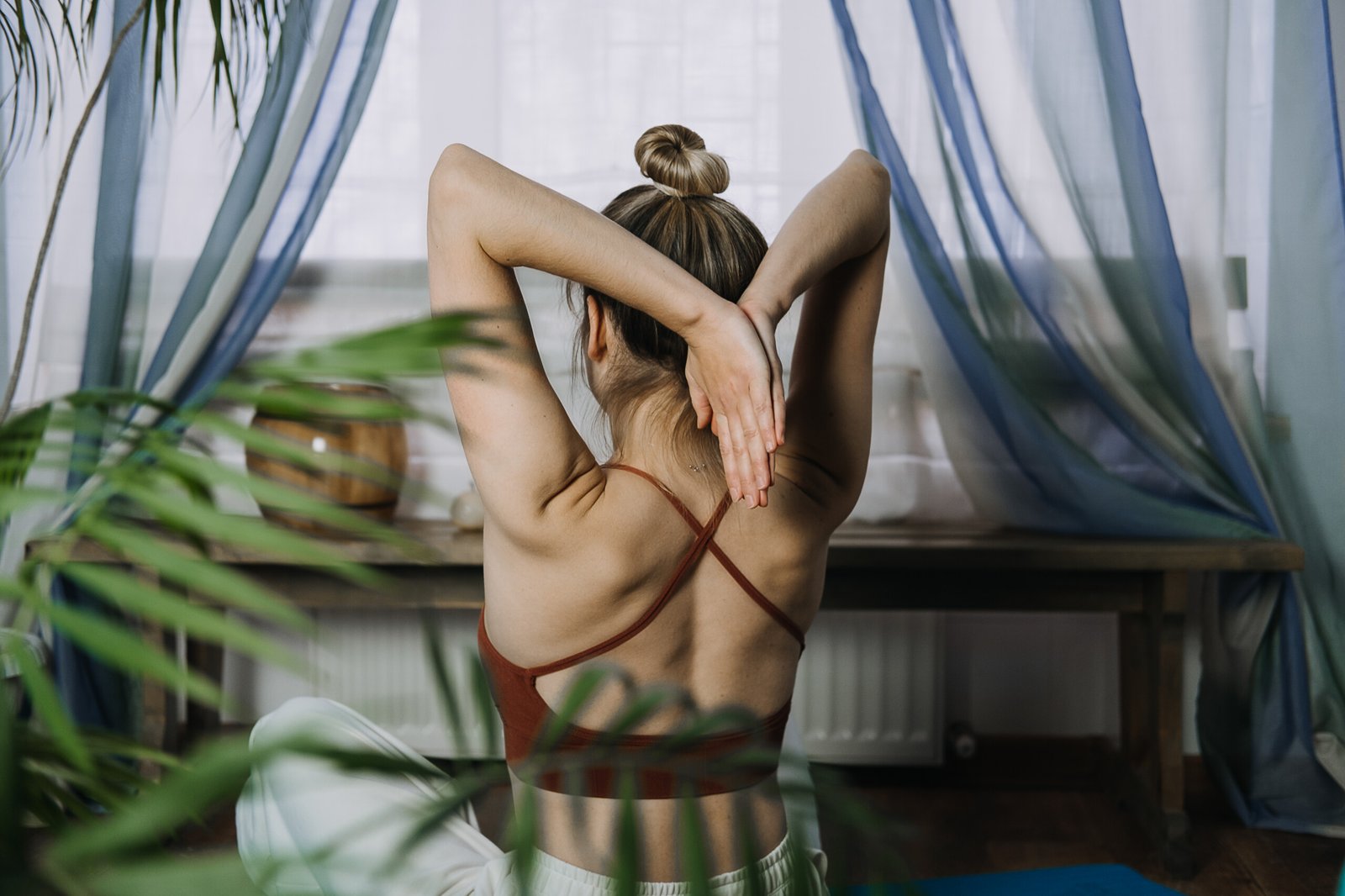
For centuries, yoga has been an important aspect of Eastern spirituality and was first practiced in the religion of Hinduism, Buddhism, and Jainism. Yoga consists of physical postures, breathing, and meditative exercises aimed at promoting overall health and wellness and attaining inner peace and balance. Nowadays, yoga is widely used to help deal with stress and anxiety due to its relaxing effects.
Science-Based Techniques Used to Relieve Anxiety with Yoga Practice
According to recent research, regular yoga practice significantly alleviates symptoms of anxiety and depression, activating parasympathetic nervous system, also known as the “relaxation response”. The system promotes relaxation by reducing breathing, heart rate, and blood pressure rates. The research published in the Journal of Clinical Psychology proves that after 12 weeks of practicing yoga, anxiety and depression symptoms in patients suffering from chronic anxiety were decreased by 50%.
Introduction to Yoga for Beginners
Individuals who have never engaged in yoga before should choose poses and techniques that would involve less complicated exercises focused on relaxation and breathing techniques. Recommended yoga poses for anxiety relief include Child’s Pose, Downward-Facing Dog Pose, and Sphinx Pose. Yoga techniques to alleviate anxiety include Alternate Nostril Breathing and Bhastrika Pranayama (bellows breath technique).
Breathing Techniques for Yoga for Anxiety Relief
Breathing techniques play an integral part of yoga practice. Through breathing exercises, an individual may concentrate their thoughts and activate their parasympathetic nervous system. As a part of yoga practice, Alternate Nostril Breathing (Nadi Shodhana) involves inhaling through one nostril while closing the second one and then reversing the procedure to exhale. Bhastrika Pranayama (bellows breath) involves breathing through the nostrils rapidly and deeply.
Advanced Yoga Techniques for Anxiety Relief
After mastering the basics of yoga practice, an individual may move to the next level and choose techniques involving postures, meditations, and mantras. Recommended postures include Warrior II Pose, Triangle Pose, and Seated Forward Fold Pose. Yoga meditation requires an individual to direct their attention on a certain object, like their breathing or some mantra. Om Shanti Shanti Shanti – one of many mantras recommended for beginners.
Mindfulness and Meditation for Anxiety Relief
Both mindfulness meditation and loving-kindness meditation prove effective in decreasing symptoms of anxiety and can be performed at any time during day. An individual should focus on the present moment, concentrating on the breath or certain sensation in order to start quieting the mind and activating the relaxation process. In addition, an individual may perform loving-kindness meditation, also known as Metta Meditation.
Yoga for Anxiety Relief in Daily Life
In addition to being a stand-alone practice, yoga should be incorporated into people’s lifestyle in order to achieve the best results in dealing with anxiety. Yoga for anxiety relief can be done everywhere and tailored to an individual’s preferences and needs. Whether a person chooses to start the day with some yoga poses or end the evening with a breathing exercise, the most important thing is to make yoga a regular routine.
Conclusion
Overall, yoga has been an important aspect of Eastern spirituality for thousands of years. Integrating yoga into one’s daily life for anxiety relief will not only help decrease anxiety and depression symptoms but also provide overall relaxation and peace. If you are a yoga expert or are trying to learn the basics, now is the perfect time to engage in yoga practice.