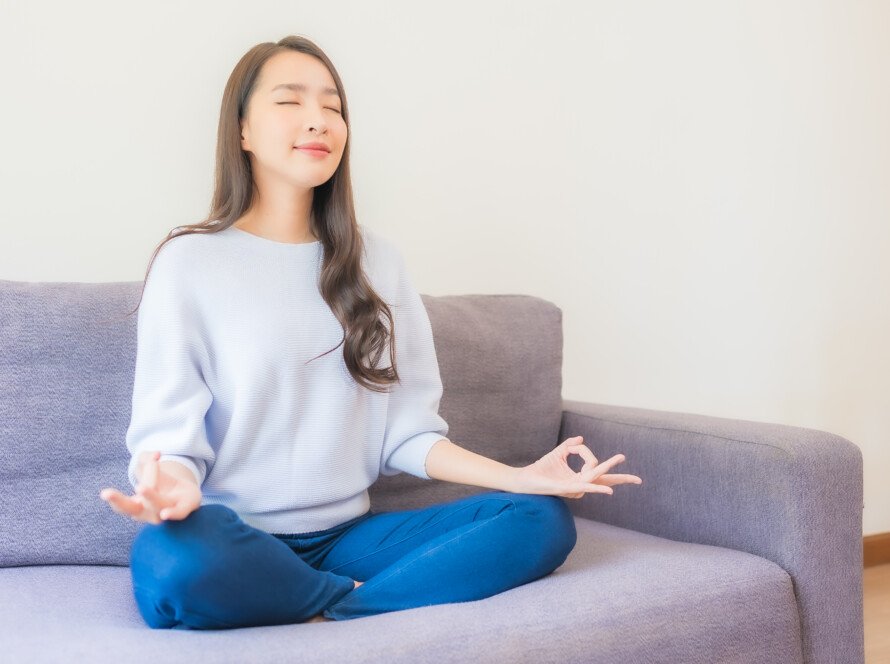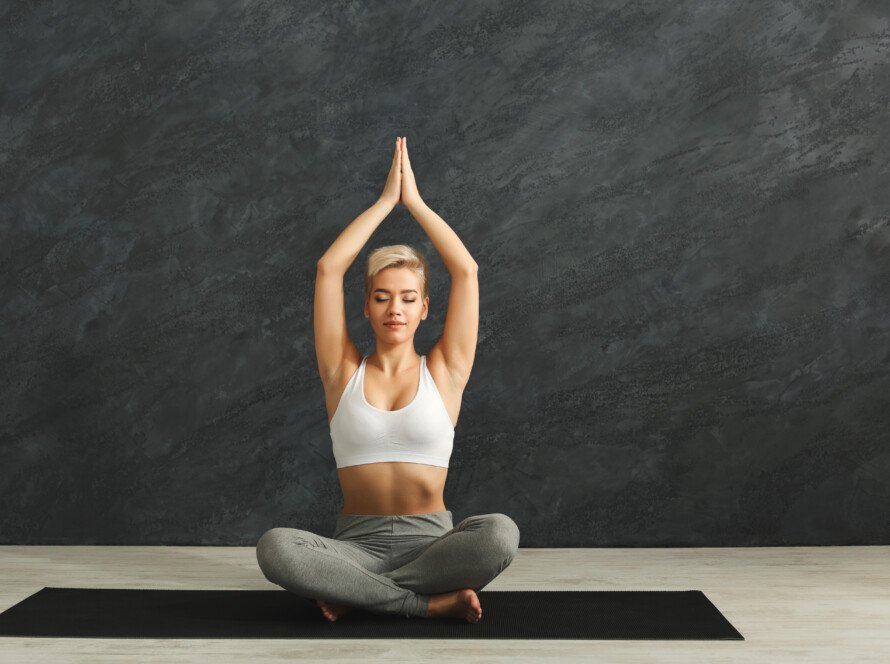


Navigating through the problems of contemporary life could be really stressful. We experience mental fatigue and find ourselves under a lot of pressure. Have you thought about finding a way to cope with all of those? One of the ways you could do this by using breathing exercises, which have long proven their efficacy in relaxing the mind.
Benefits of Mindfulness Practice
Being present at the moment and aware of all thoughts, emotions, and sensations experienced is the essence of being mindful. Practicing mindfulness offers various benefits ranging from reduction of stress and anxiety to enhancement of focus and attention as well as improvement in overall wellbeing. Moreover, mindfulness practice causes some changes in the brain structure leading to increased activity in certain areas involved in attention, emotion regulation, and memory processes (Kabat-Zinn, 2003).
How Could Breath Influence Your Wellbeing?
Breath exercises belong to the core elements of mindfulness training, and they are very efficient in combating stress and anxiety. While focusing on breathing, the mind calms down while the body relaxes. Several studies suggest that deep breathing leads to decreased production of stress hormones (cortisol) and increased levels of serotonin (Brown, 2012).
Basic Breath Exercises for Beginners
Several simple exercises could be helpful when starting with breath training:
- Diaphragmatic breathing (or belly breathing) involves inhaling deeply through your nose letting your stomach expand as the diaphragm descends. The chest must remain still; then you exhale slowly letting your diaphragm go up. Try this exercise sitting down or standing.
- Pursed-lip breathing allows controlling both breathing rate and air flow. While exhaling, puff out your cheeks, pursing your lips as if you were going to blow out the candles on a birthday cake. This exercise is especially recommended for people suffering from heart disease and COPD. However, everyone could do it to benefit health.
- The breathing exercise using a balloon aims to control your breathing rate and help to relax. Place an inflated balloon behind your back, and inflate it while inhaling and deflate it while exhaling.
Advanced Breath Exercises for Mindful People
There are various breathing techniques, and if you find simple ones too easy, you could try some more advanced ones. For example, 4-7-8 technique (or relaxation breath) involves inhaling through the nose for four counts; next, hold your breath for seven counts; finally, exhale slowly for eight counts.
Why Is Breathing Related to Being Mindful?
This question could be explained referring to the nature of the brain functioning. Being involved in a breathing exercise means activating the brain’s default mode network, which regulates mind wandering and reflection (Buckner et al., 2008).
Obstacles You May Face in Performing Breathing Exercises
Some difficulties could appear while performing the exercises. One of the most typical is a lack of focus. There are several methods for dealing with the problem: establishing a routine for practicing, using apps for guided meditation, or working with a mindfulness coach.
Tips for Integrating Breath Exercises into Daily Routine
There are several techniques that will help to combine breath exercises and everyday activities:
- You could practice breathing before breakfast in order to start your day positively.
- Use breathing exercises during your lunch break to decrease your stress level and increase your productivity.
Conclusion
Performing breathing exercises is a great method of enhancing your mindfulness skills and relaxing the mind and body. It is quite possible that the exercises could help you feel less anxious and more focused and productive. Try them today!