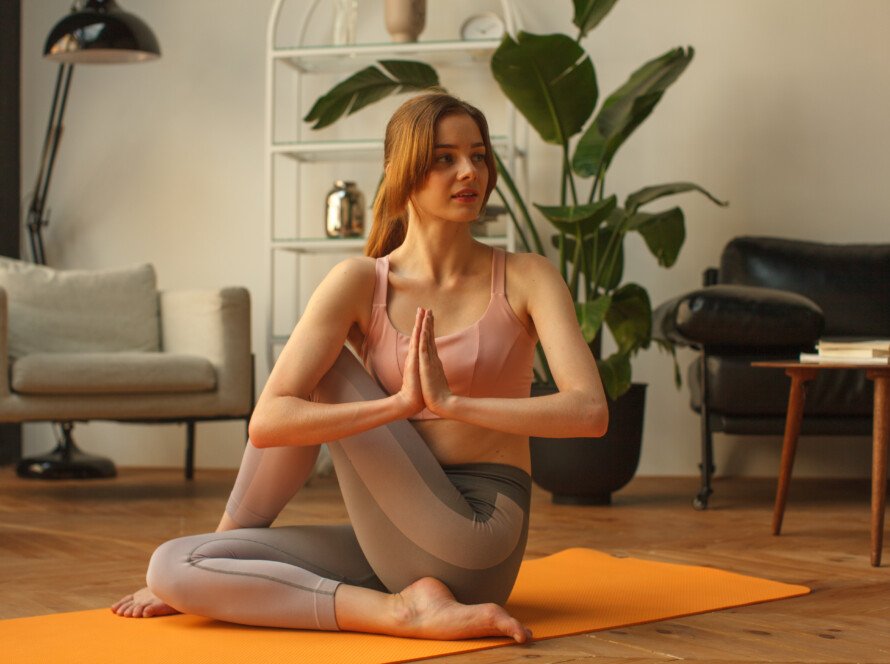

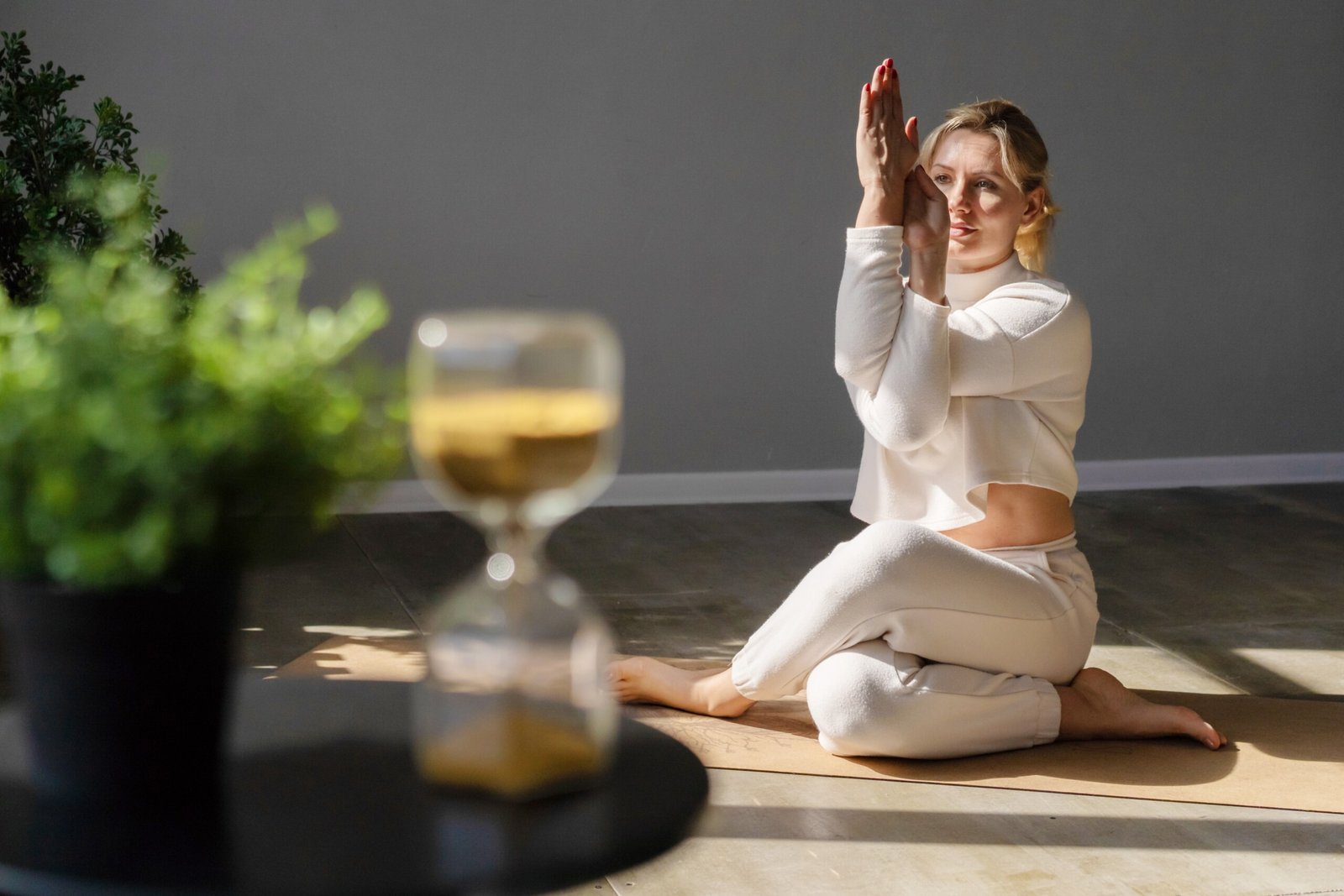
One cannot overestimate the importance of emotional balance in a person’s life since it influences both physical and psychological well-being. However, emotional equilibrium may be disturbed due to stress, anxiety, and other problems. Luckily, there is a natural way to restore balance – meditation. If a person incorporates regular meditation in his or her schedule, it will have positive effects on his/her emotional equilibrium.
Definition of Emotional Balance
Emotional balance allows people to perceive different experiences in their lives calmly, without being emotionally affected. This process gives them the chance to respond to difficult situations wisely while remaining compassionate towards others and themselves. People who demonstrate emotional balance cope with stress, establish productive relationships, and achieve their goals. However, the lack of emotional balance may result in numerous mental disorders, including anxiety and depression. Why does a person experience imbalance? Is there any remedy?
Why and How Does Meditation Improve Emotional Balance?
A number of recent studies prove the effect of meditation on emotional balance because meditation affects the brain structure and functions. The practice leads to an increased density of gray matter in brain regions related to emotional regulation, such as the prefrontal cortex and hippocampus. In addition, meditation helps decrease activity of the amygdala that is engaged in fear and anxiety processes. Thus, meditation allows decreasing people’s emotional reaction to stressful situations.
The Effect of Meditation on Emotional Balance
Here are several advantages of using meditation as a means of maintaining emotional balance.
1. Reduction of Stress and Anxiety
By decreasing the production of such stress hormones as cortisol, meditation helps reduce stress and anxiety levels. A person becomes calmer and more prepared to cope with life challenges.
2. Enhanced Ability to Regulate Emotions
During meditation practice, people improve their self-awareness. Consequently, they can identify and regulate their emotional responses better. They learn how to pay attention to their thoughts, emotions, and physical reactions to external stimuli.
3. Greater Self-Acceptance
Meditation promotes self-acceptance through development of self-compassion. Thanks to meditation, a person learns to have a positive attitude towards himself/herself and others.
4. Improved Sleep Quality
The use of meditation positively influences people’s sleep quality because it helps reduce their stress and anxiety. As a result, a person sleeps better and gets the rest he/she needs.
5. Greater Capacity for Attention and Focus
Due to increased self-awareness, a person practicing meditation improves his or her concentration and attentiveness. Thus, his or her ability to concentrate on something improves.
How to Meditate for Emotional Balance
To incorporate meditation in your daily routine successfully, follow these guidelines:
1. Find a Quiet Place
Go to the place where you can sit quietly and concentrate. Use a cushion or chair to support your spine.
2. Pay Attention to Your Breath
Sit comfortably with your eyes closed and pay attention to your breathing. Observe the process but do not control your breathing pattern.
3. Practice Mindfulness
Practice mindfulness by observing your emotions, thoughts, and sensations without making judgments about them.
4. Start Gradually
Begin with short periods (5-10 min) and increase the duration gradually depending on your preferences and availability.
5. Turn Meditation Into a Habit
Try to meditate regularly, for instance, in the morning and/or in the evening.
Tips for Overcoming Barriers to Meditation
Though meditation is a very effective practice for improving emotional balance, there are some barriers a person may face when trying to implement it. The following advice may come handy.
1. Difficulty in Focusing
To facilitate the process of focusing during meditation, one may listen to guided meditations that are offered through mobile apps or videos. In addition, you may try mindfulness meditation that presupposes attention to emotions, thoughts, and sensations rather than the object itself.
2. Feeling Bored and Uncomfortable
When a person finds meditating boring and uncomfortable, he/she should experiment with different types of meditation (for example, loving-kindness meditation, body scan meditation). Besides, one may try practicing meditation in different environments (for example, outside).
3. Feeling Like One Is Practicing Wrong
There are no specific rules in meditation, so you cannot do something wrong or fail at it. All you need to do is concentrate and observe what happens.
Conclusion
Thus, meditation has a positive influence on the emotional balance of a person. It has numerous benefits and allows people to become more calm and attentive. By making meditation part of your life, you get more chances to enjoy life fully.